


- University
-
Activity
International relations
- International Accreditation
- Information service
- Directions of the joint educational program
- International conferences and meetings
- International partner universities
- Internationalization strategy
- Visa information
- International projects and scholarships
- Information service
- Applicant
- Students
- Scientific & Innovative Activities
- International students
Close
Skip to main content
Accessibility
Text size
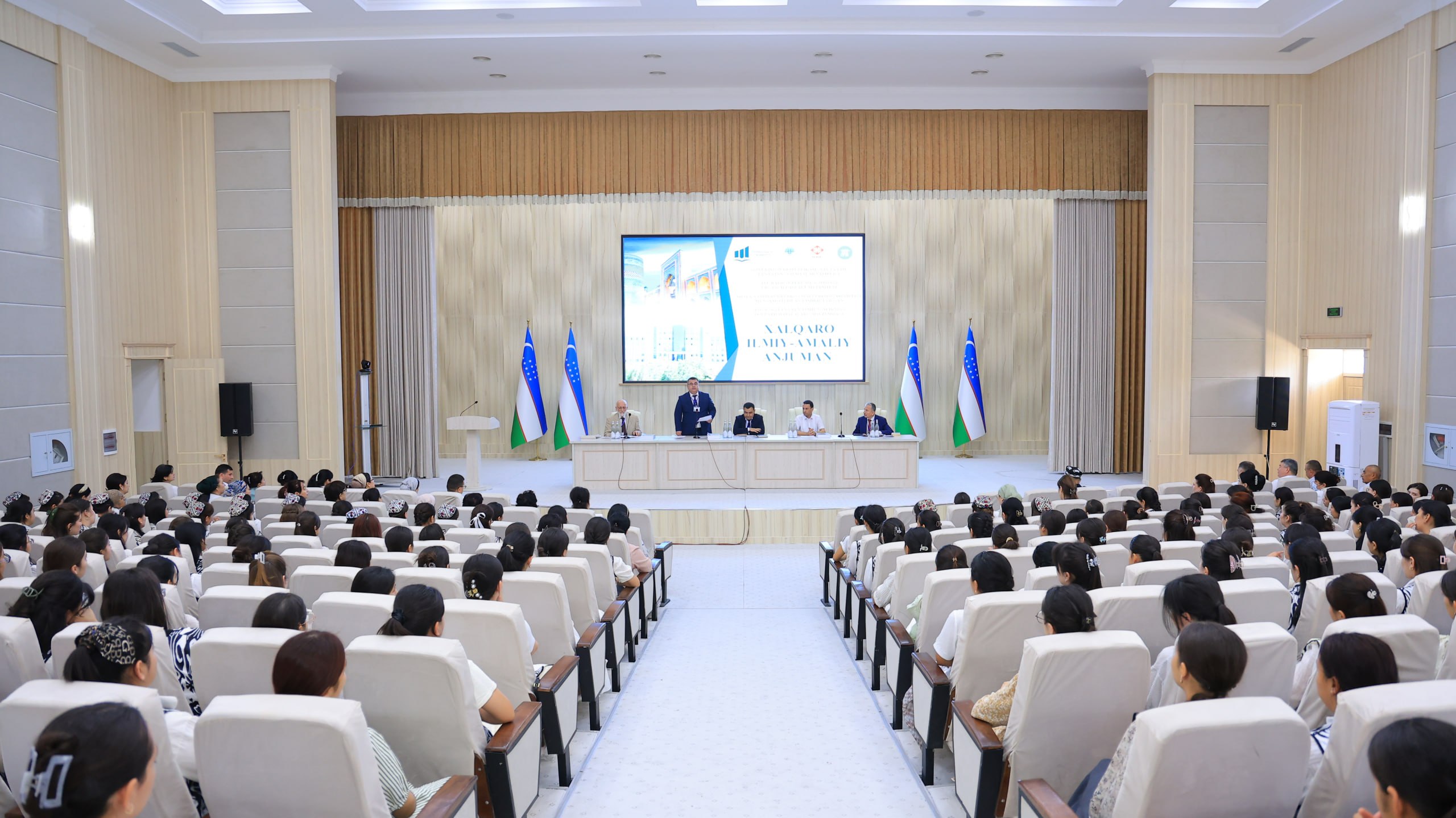
An international scientific-practical conference dedicated to the 880th anniversary of the birth of Sheikh Najmiddin Kubro was held
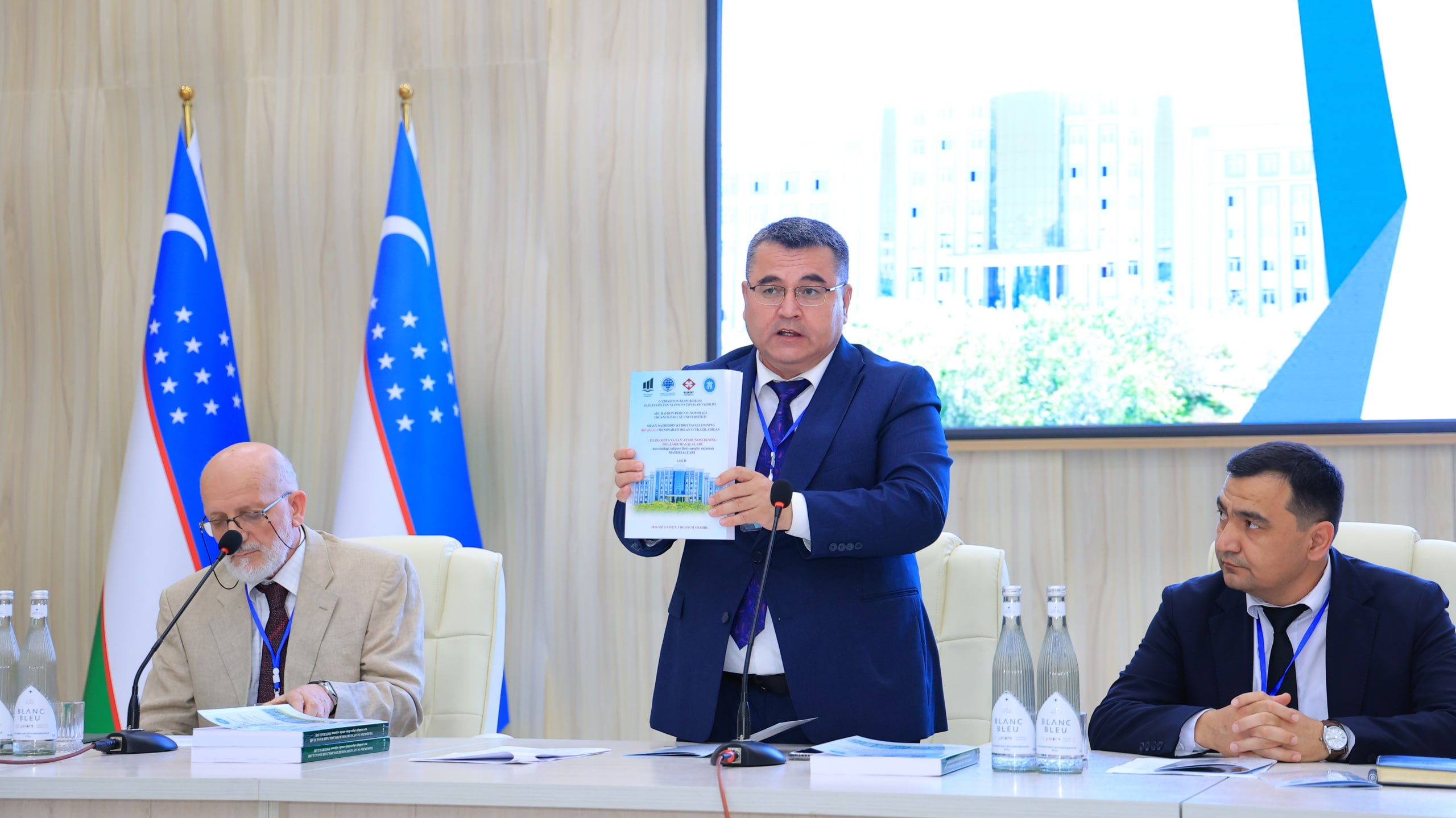
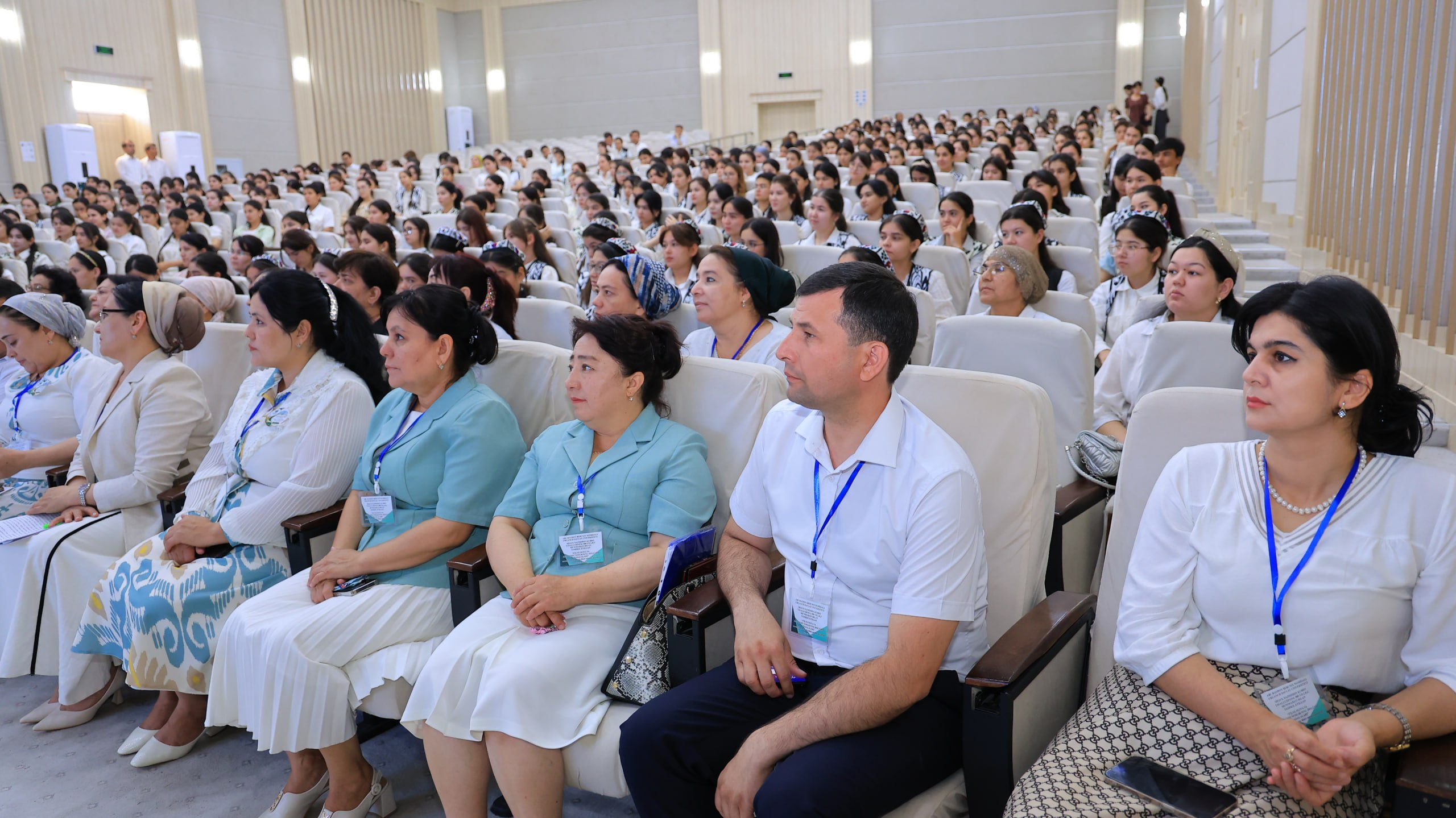
Today, an international scientific-practical conference on "Current Issues of Philology and Art History" was organized by the Faculty of Philology and Art at Urgench State University. The event was held in cooperation with the Institute of Uzbek Language, Literature, and Folklore, Başkent University of Turkey, and the Azerbaijan National Academy of Sciences, on the occasion of the 880th anniversary of the birth of Sheikh Najmiddin Kubro, the great thinker and prominent figure of Sufism.
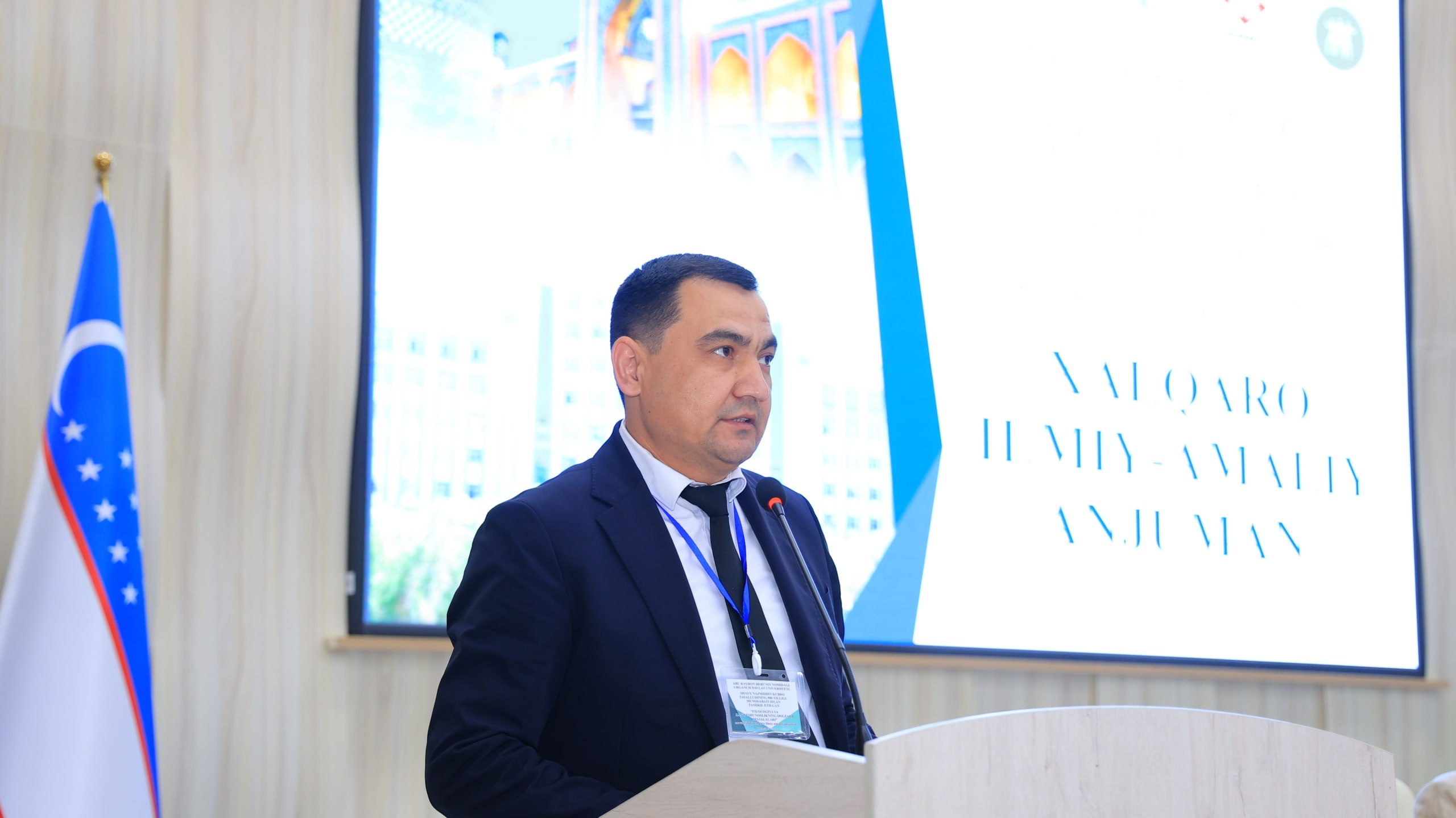
At the opening ceremony of the conference, G'ayrat Rahimov, Vice-Rector for Academic Affairs of Urgench State University, delivered an opening speech. He highlighted Sheikh Najmiddin Kubro's immense contribution to the development of world civilization and Islamic enlightenment, emphasizing that deeply studying his rich spiritual heritage and instilling it into the minds of the younger generation is one of today's crucial tasks. The international scientific-practical conference was moderated by Dilshod G'ayipov, Dean of the Faculty of Philology and Art.
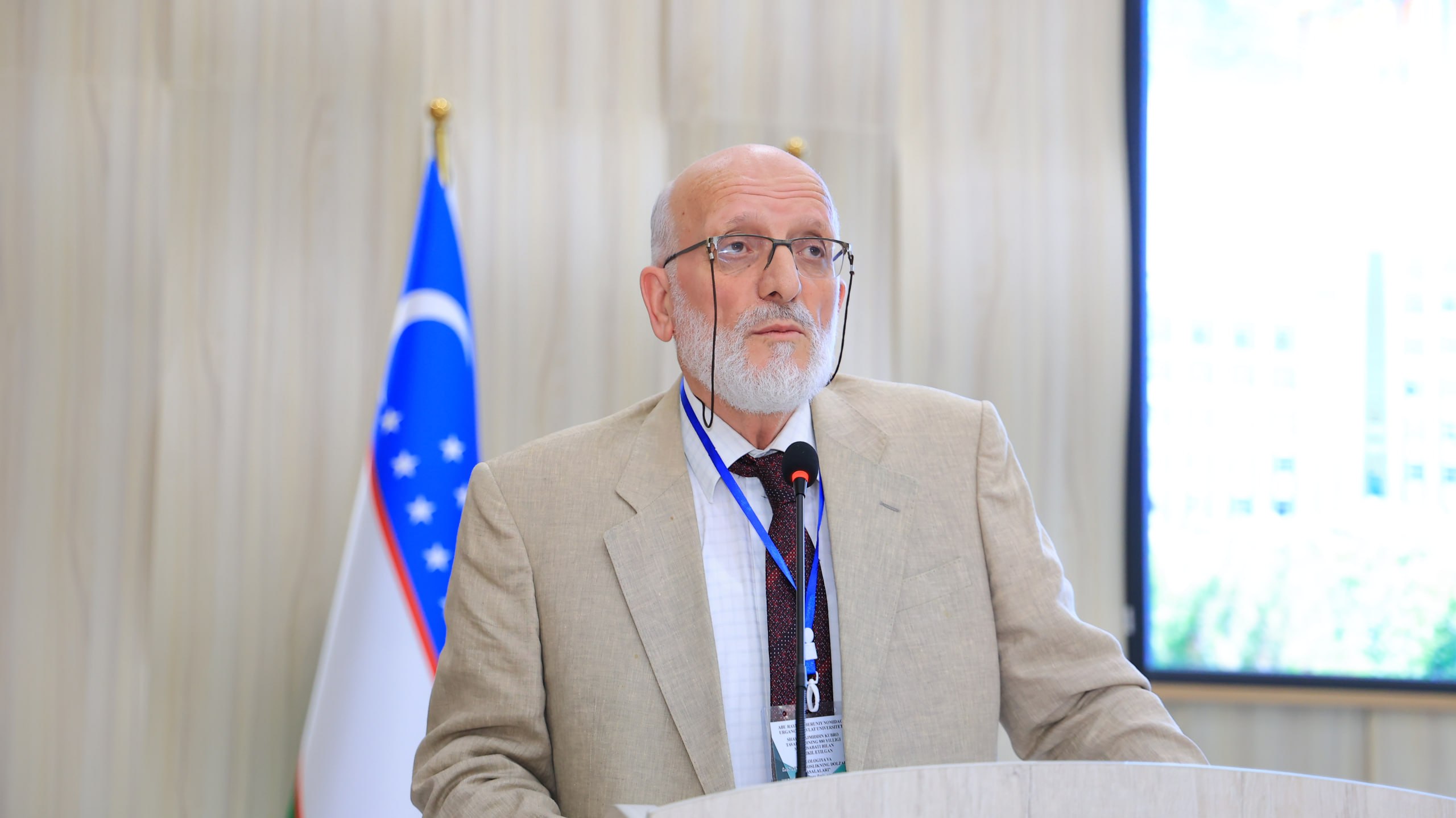
The conference was attended by leading scholars of our republic, as well as professors visiting from higher education institutions of Turkey and Azerbaijan, who delivered presentations on current scientific issues in the fields of philology, folklore studies, linguistics, and art history. In particular, presentations were made by prominent scholars such as Professor Maqsud Asadov, Doctor of Philological Sciences and Deputy Director of the Institute of Uzbek Language, Literature, and Folklore of the Academy of Sciences of the Republic of Uzbekistan; Professor Dr. Kemal Yavuz Ataman from Sakarya University, Turkey; and Professor Suleyman Dogan from Yildiz Technical University, Turkey.
The conference will continue tomorrow, June 3rd, with panel sessions dedicated to the study of Sheikh Najmiddin Kubro's rich spiritual heritage, his life and work, as well as contemporary directions in Uzbek folklore studies, literary criticism, linguistics, and art history.
.jpg)
.jpg)
.jpg)
.jpg)
.jpg)